A busy spa in Nairobi CBD can fill up fast, especially when tired office workers step in for relief after a long day. If you’re wondering how much a massage therapist salary in Kenya, the short answer is that monthly pay often falls between 30,000 and 100,000 KES, depending on experience, location, and the kind of spa or clinic you work in.
That range shows up across 2026 salary data from sites like Glassdoor and Paylab, although the exact figure changes with skill level and employer. For example, a massage therapist working in a busy spot like Classic Comfort Massage & Spa in Nairobi CBD may earn differently from someone in a small town or a quiet neighborhood spa. In addition, tips, commissions, and special service packages can change the final take-home pay.
This matters because many job seekers want more than a salary guess, they want a clear picture of daily work, average pay, and what pushes earnings up or down. A massage therapist also needs to know how location, training, and service type affect income, especially in Nairobi, where demand is strong and competition is real.
The next sections break down the role, the pay bands, and the main factors that shape earnings, with current massage rates in Kenya and practical tips for earning more along the way.
Daily Life of a Massage Therapist in Kenya
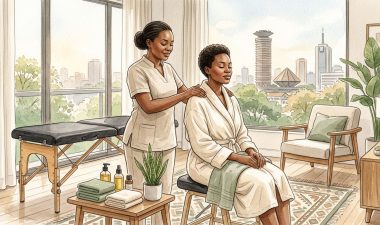
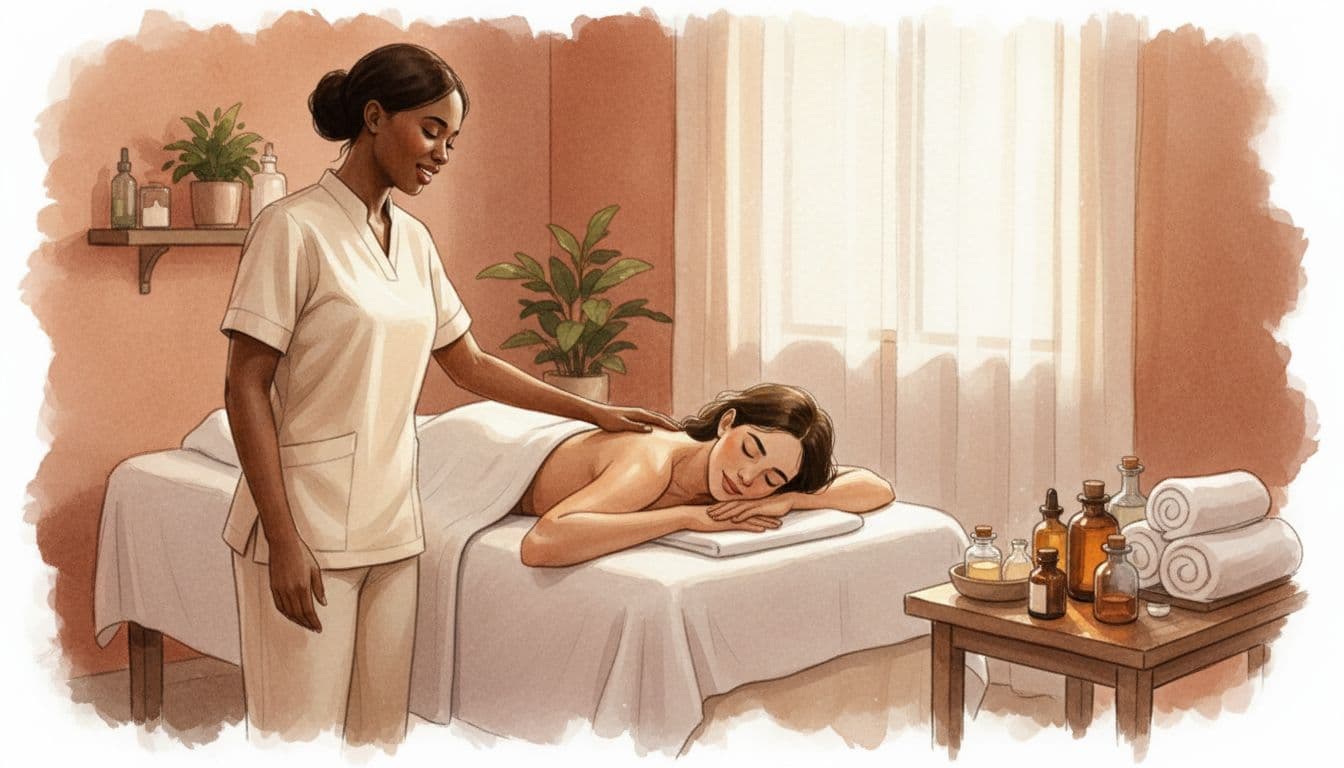
A massage therapist’s day in Kenya is hands-on, people-focused, and often busy from the first booking to the last cleanup. In places like Nairobi CBD, the work shifts quickly between calm welcome moments, firm bodywork, and short chats that help clients relax before the session even starts.
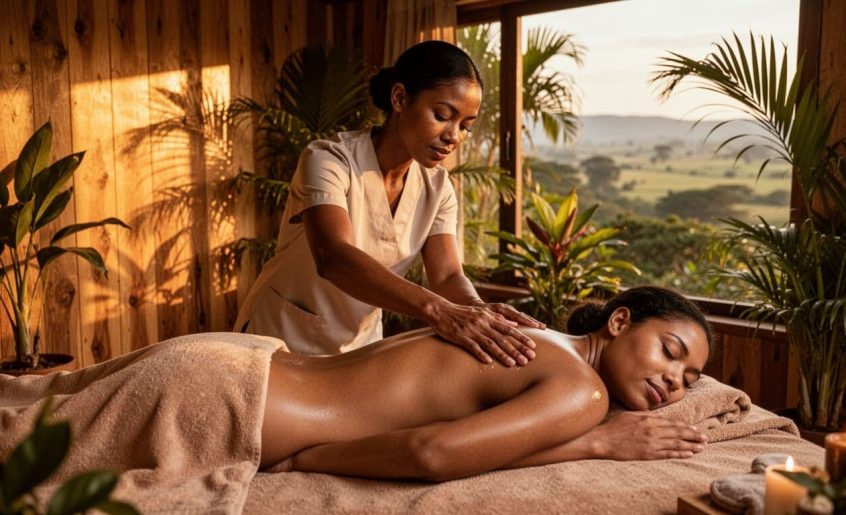
The setting matters too. A warm room, soft music, and the smell of lavender or eucalyptus can turn a simple appointment into a full reset. That atmosphere is part of the job, because clients come in carrying stress, tight shoulders, and long days.
Core Duties You Handle Each Shift
A typical shift starts with greeting clients, checking their needs, and setting the room for comfort. The therapist asks about pain points, pressure preference, and any health concerns before the table work begins.
That first chat matters more than many people realize. A client may walk in asking for relaxation, but the real need could be tight calves from standing all day or a stiff neck from office work. In a busy Nairobi spa, that quick assessment helps the therapist choose the right method, whether it is Swedish massage, deep tissue work, or a lighter session with aromatherapy.
Next comes the practical side. Oils get warmed, towels are arranged, and the table is prepared with care. In some spas, a therapist may also handle foot massages for tired workers, or short add-on sessions that fit lunch breaks and after-work visits. If a client needs a calmer mood, the therapist may use scent-based oils and slow strokes to match the room’s quiet rhythm.
Good massage work is part skill, part attention. A client notices both.
During the session, the therapist keeps checking body response through touch and simple client feedback. A short story often plays out the same way, a tense office worker arrives stiff, then leaves walking softer and breathing easier. Afterward, advice on aftercare follows, such as drinking water, resting, and avoiding heavy activity for a short time.
Skills That Make You Stand Out
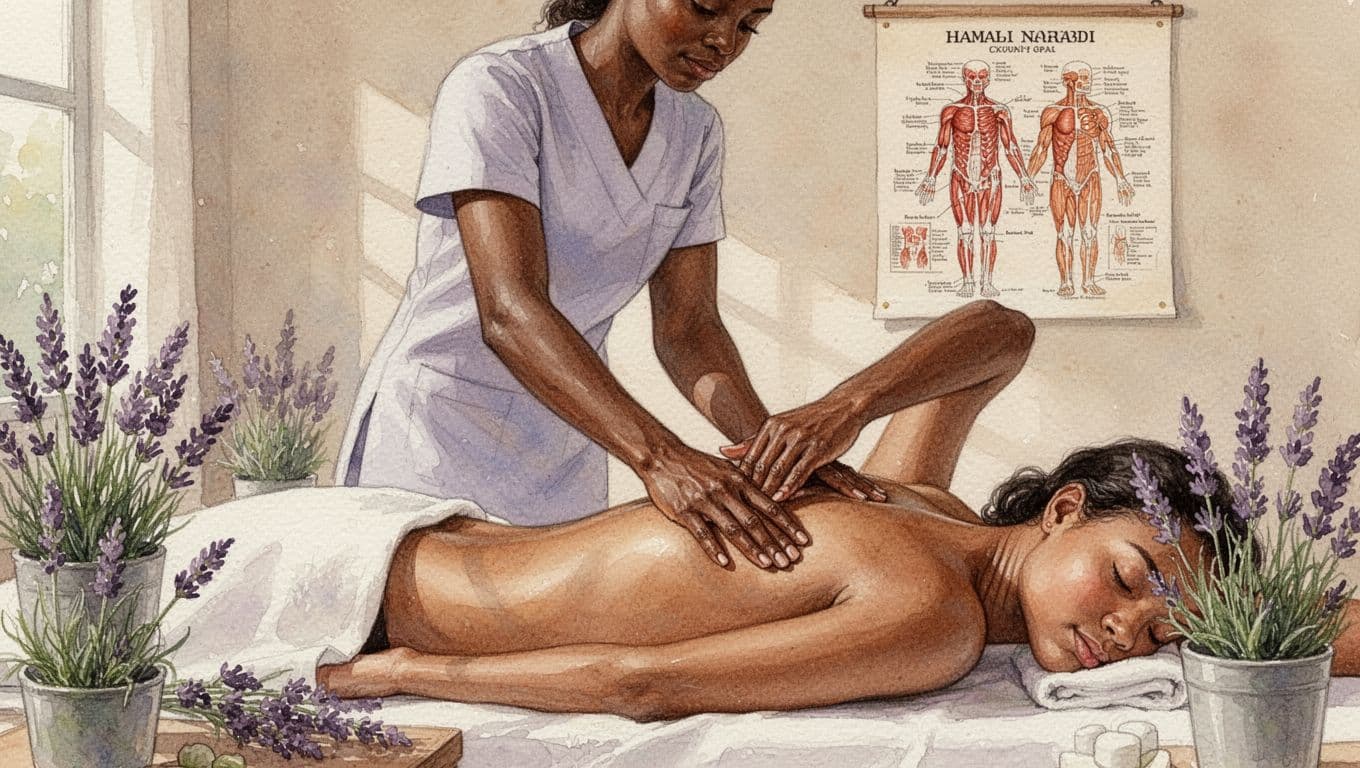
Strong hands help, but they are only one piece of the job. A good massage therapist also needs clear knowledge of anatomy, because muscles, joints, and pressure points all respond in different ways. If you know where tension lives, you can work with purpose instead of guessing.
Communication is just as important. Clients often want to explain pain in simple words, and the therapist must listen well, ask the right follow-up questions, and adjust pressure without making the client repeat themselves. That calm, respectful back-and-forth builds trust fast.
Stamina also matters. A full day can include several sessions in a row, and each one demands focus, steady posture, and strong control. By late afternoon, the work feels a bit like carrying a quiet load, because your hands, back, and mind all stay active at the same time.
Some therapists choose specialties that bring better pay. Remedial massage, for example, can pay more because it asks for deeper skill and more precise care. Sports massage, hot stone therapy, and therapeutic deep tissue work can also increase value, especially in higher-end spas or busy Nairobi CBD locations where clients want targeted results.
At a place like Classic Comfort Massage & SPA’s relaxing massage services, these skills become easy to spot. The best therapists know when to talk, when to stay quiet, and when to change pressure without breaking the client’s sense of peace.
A strong therapist usually brings a mix of traits like this:
- Good body awareness, so movements stay smooth and controlled.
- Patience, especially with clients who need more time to relax.
- Professional warmth, which helps nervous first-timers settle in.
- Physical endurance, because the work asks a lot from your body.
- Special training, which can open doors to better-paying services.
Training and Licensing Basics
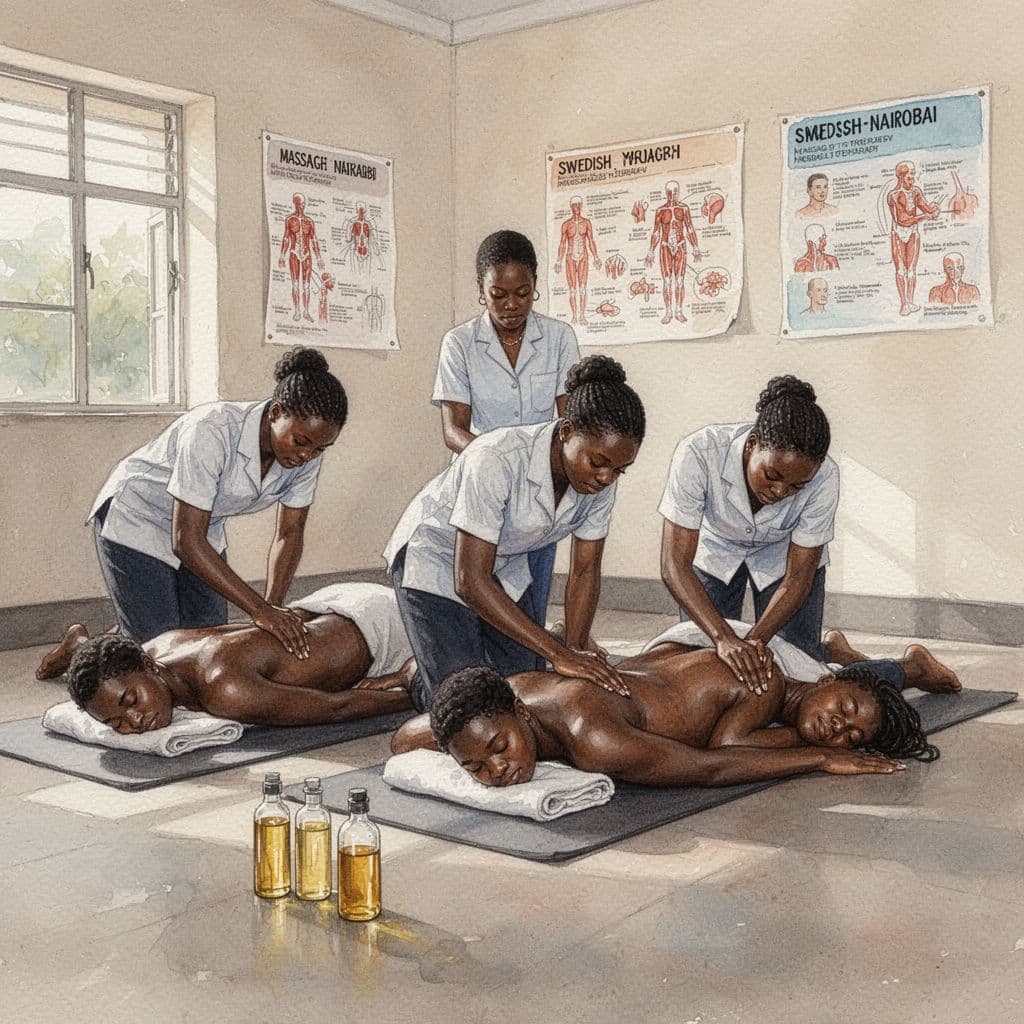
In Kenya, many massage therapists begin with short certificate or diploma courses. These are often offered by private academies in Nairobi and other major towns, and they usually cover anatomy, massage strokes, client care, and safety basics. Some courses run for a few weeks, while others take a few months.
The 2026 training picture is still practical and hands-on. Schools such as Lintons Academy, ByWinnie Training Institute, and Carenic College offer massage-related programs that help students learn Swedish massage, deep tissue work, aromatherapy, reflexology, and body analysis. Classes may take place in the evening or on Saturdays, which helps working students.
That training matters because massage is not just about touch. A therapist needs to know how to work safely, how to spot pressure limits, and how to avoid causing harm. A client lying on the table should feel cared for, not rushed or handled carelessly.
Kenya also has a practical licensing picture. Current 2026 guidance shows no mandatory national license for massage therapists, but a valid certificate or diploma is still important for safe practice and job trust. Spas and counties may ask for proof of training, so a therapist should keep records ready and work only within their skill level.
For someone who wants to build a steady career, the lesson is simple. Training opens the door, safe practice keeps clients coming back, and good service turns a basic spa job into reliable income.
Average Paychecks for Massage Therapists Nationwide
Picture earning steady cash while helping folks relax. That is the appeal of massage work in Kenya, and the pay range reflects it. In 2026, a massage therapist can expect a wide spread, because city, experience, and service type all matter.
Most national salary data places monthly pay around 30,000 to 100,000 KES, with many workers clustering inside the middle of that range. Tips can add a meaningful boost, especially in busy spas, hotel settings, and high-traffic Nairobi locations. When you look at the full picture, the paycheck is often more than the base salary alone.

National Averages and Hourly Rates
Paylab data for Kenya shows a base range of about 32,000 to 65,000 KES per month for massage therapists and similar spa roles. That gives you a practical national benchmark, especially if you are comparing spa jobs across towns and counties.
Hourly pay is less stable, because some employers pay by session, while others use a salary-plus-tips model. Still, a rough hourly figure can help you compare offers. If you divide a 32,000 to 65,000 KES monthly salary across a normal work month, the base comes to roughly 1,500 to 3,100 KES per day for a standard full-time schedule, before tips and extras.
Here is a simple view of the range:
| Pay Type | Estimate in KES | What It Means |
|---|---|---|
| Monthly base pay | 32,000 to 65,000 | Common national salary range |
| Monthly total pay | 30,000 to 100,000 | Base pay plus tips or commissions |
| Yearly base pay | 384,000 to 780,000 | Monthly base pay multiplied by 12 |
| Yearly total pay | 360,000 to 1,200,000 | Full take-home estimate with extras |
Tips can lift a massage therapist’s income by 20% to 30%, especially in busy urban spas.
That means the yearly picture matters just as much as the monthly one. A therapist earning 50,000 KES a month may finish the year near 600,000 KES, but a therapist with steady tips can move much higher.
City-by-City Breakdown
Pay changes sharply by location. Nairobi usually pays more because demand is higher, client traffic is stronger, and premium spas charge more for sessions. Mombasa can also pay well, especially in hotels and tourist-heavy areas, although the base range is more uneven.

The 2026 salary data shows this contrast clearly:
| City | Monthly Pay Range in KES | What Stands Out |
|---|---|---|
| Nairobi | 50,000 to 117,000 | Strong mid-level pay and top-end room |
| Mombasa | 23,000 to 91,000 | Lower floor, but high-end hotel jobs pay more |
April 2026 job ads also pointed to stronger Nairobi offers for mid-level workers. That makes sense, because the city has more offices, travelers, and repeat clients. Mombasa still holds value, however, especially for therapists in resort spas where guests tip well and book longer sessions.
For a massage therapist at a place like Classic Comfort Massage & SPA in Nairobi CBD, location can shape the whole paycheck. A therapist working near busy offices may earn more from walk-ins and repeat appointments than someone in a quieter part of town. In other words, the city itself can feel like part of the salary package.
Entry-Level vs Seasoned Pro Pay
Experience changes everything in this field. New therapists often start with smaller base pay because they are still building speed, confidence, and client trust. Seasoned therapists, however, can command much stronger pay because they work faster, handle tougher cases, and bring in repeat bookings.
Current salary data shows entry-level pay can begin around 19,000 to 50,000 KES monthly, depending on the employer and the kind of spa. That range is wide because some jobs offer basic wages, while others add commissions or shared tips.
After 5 or more years, pay can climb to 100,000 KES or more in stronger spa markets. Therapists who know deep tissue, sports massage, aromatherapy, and client care usually move up faster. Their hands do more than work muscles, they build trust, and trust brings repeat income.
A simple earnings ladder looks like this:
- New therapist: lower starting pay, slower pace, learning client handling.
- Mid-level therapist: steadier bookings, better tips, stronger base salary.
- Experienced therapist: higher rates, better rooms, more repeat clients.
That growth matters because massage is a skill-based job. A therapist who keeps learning can move from average wages to strong monthly earnings. The biggest jump often comes when service quality, reputation, and location all line up at once.
Factors That Shape Your Massage Therapist Salary
A massage therapist’s pay in Kenya does not sit still. It changes with training, location, work setup, and the kind of clients you serve. That is why two therapists in the same city can take home very different amounts, even when they work similar hours.
If you are looking at jobs in Nairobi CBD, the gap can be even wider. A therapist at a busy spa may earn a modest base salary plus tips, while a specialist with strong skills can move into a much higher bracket. For a clearer view of how service pricing ties into pay, you can also check massage rates in Kenya.
Experience and Skill Level Impact
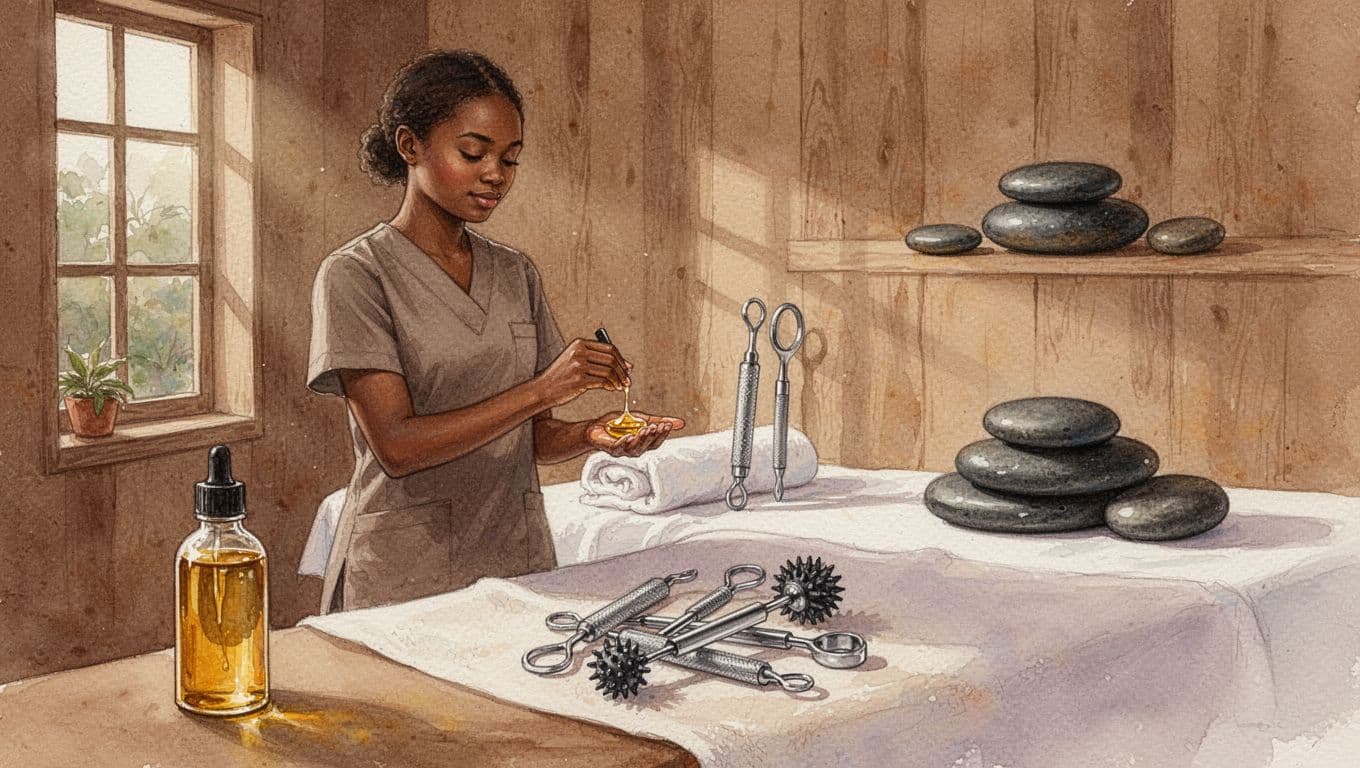
Experience is one of the biggest pay drivers in this job. A new massage therapist may start around 50,000 KES or less in a good market, while an expert can cross 100,000 KES when the role, client base, and setting all line up. That jump happens because speed, confidence, and client trust all improve with time.
Skill matters just as much as years on the clock. A therapist who can handle Swedish massage only may earn less than someone who also knows deep tissue, aromatherapy, sports massage, or remedial work. Specialties usually bring a premium because they solve more specific problems and attract clients who are ready to pay more.
So if you are just starting out, expect to build income step by step. First, you learn the basics and get your rhythm. Then you gain repeat clients, and later you can raise your value through advanced training.
Better hands bring better pay, but better judgment often brings it faster.
Licensed therapists also tend to earn more than unlicensed workers. Employers trust formal training because it lowers risk and improves service quality. That trust can show up in salary offers, better shifts, and stronger tips.
At Classic Comfort Massage & Spa, this difference is easy to see. A therapist who can move smoothly between relaxation work and targeted body treatment is far more valuable than someone who only knows one style. In a busy spa, that kind of range is money.
Location Matters: Urban vs Rural

Where you work changes your salary more than many people expect. Nairobi, especially the CBD, usually pays more because demand is high and clients move in and out all day. Offices, hotels, and walk-in spas keep the pressure on, which lifts both salary and tip potential.
Smaller towns often pay less. Rent is lower, client traffic is thinner, and spa prices are usually softer. That means the therapist’s base pay often follows the same pattern. If the business charges less per session, the salary pool shrinks too.
Nairobi CBD is different. A therapist there may see more appointments in one day than a rural worker sees in a week. As a result, the income picture often looks stronger, especially in premium locations and busy wellness centers.
Location also affects how fast you build a reputation. In a city, a good therapist can attract repeat clients quickly. In a quieter area, growth may be slower, even if the work is steady. So if you want higher income, urban demand gives you a stronger starting point.
For someone weighing a job at Classic Comfort Massage & Spa, this matters a lot. A spa on Biashara Street sits in a live market, where office workers, travelers, and regular clients can keep bookings flowing. That kind of setting is hard to match in a small town.
Employed vs Running Your Own Show

The way you work shapes your take-home pay as much as your skill does. If you work for a spa or hotel, you usually get a steady salary, and tips can add more on busy days. That setup gives you a clear rhythm, regular clients, and less money stress.
Hotel and high-end spa jobs can pay better than small local shops. They often attract clients who book longer sessions, pay for extras, and leave larger tips. However, the work may be stricter, with set standards, fixed hours, and more pressure to keep service polished all the time.
Self-employment looks different. You keep more of what you earn, which can push your income higher. Still, you also cover your own transport, oils, towels, marketing, and any downtime between bookings. The money can be better, but the risk sits on your shoulders.
So if you want stability, spa employment may fit better. If you want higher upside and can handle slow weeks, working for yourself may pay off. Many therapists start inside a spa, build skill and contacts, then branch out later.
Licensed therapists often have an easier time in both paths. Employers see them as safer to hire, and private clients also trust them more. That trust can turn into fuller schedules, better reviews, and better pay over time.
At a place like Classic Comfort Massage & Spa, employed therapists gain something valuable right away, a steady flow of clients in a busy Nairobi setting. For many massage therapists, that steady floor matters just as much as the ceiling.
Boost Your Earnings in Nairobi’s Spa Scene
Nairobi pays well when your skills are sharp and your client list is steady. In busy spots like Biashara Street, a Massage Therapist can earn more through repeat bookings, tips, add-on services, and strong word of mouth.
The best paychecks usually go to therapists who stay visible, keep learning, and work the busiest hours. If you want better income, treat your career like a small business. Build trust, stay booked, and make every session count.

Top Tips for Higher Paychecks
If you want higher earnings, start with certification. Clients feel safer when they know you trained properly, and employers notice that too. A certificate or diploma can help you move from casual work into better spa roles with stronger pay.
Specializing also opens the door to better income. Therapists who handle deep tissue, Swedish massage, aromatherapy, or sports recovery usually have more value than generalists. That extra skill can turn a normal booking into a premium session.
Timing matters as well. Nairobi’s busiest hours usually come after work, on weekends, and during lunch breaks in CBD areas. If you work those peaks, you increase your chance of full schedules and generous tips.
A few smart habits can lift your pay over time:
- Get certified so employers trust your skills.
- Learn one or two specialties that clients ask for often.
- Ask for feedback after sessions, then improve your touch and flow.
- Show up early and stay professional, because reliable therapists get more shifts.
- Build repeat clients by remembering pressure preferences and problem areas.
Networking helps too. A strong name in a place like Classic Comfort Massage & Spa can lead to referrals, better shifts, and steady bookings. Talk to reception teams, stay visible, and treat every client like a possible repeat client.
Higher pay often comes from consistency, not luck. The therapist who works well, learns fast, and keeps clients coming back usually earns more.
You should also learn how to negotiate. If you bring a specialty skill, a loyal client base, or a busy schedule, you have room to ask for better terms. Be calm, clear, and ready to explain the value you bring.
Job Hunting in Nairobi Spas
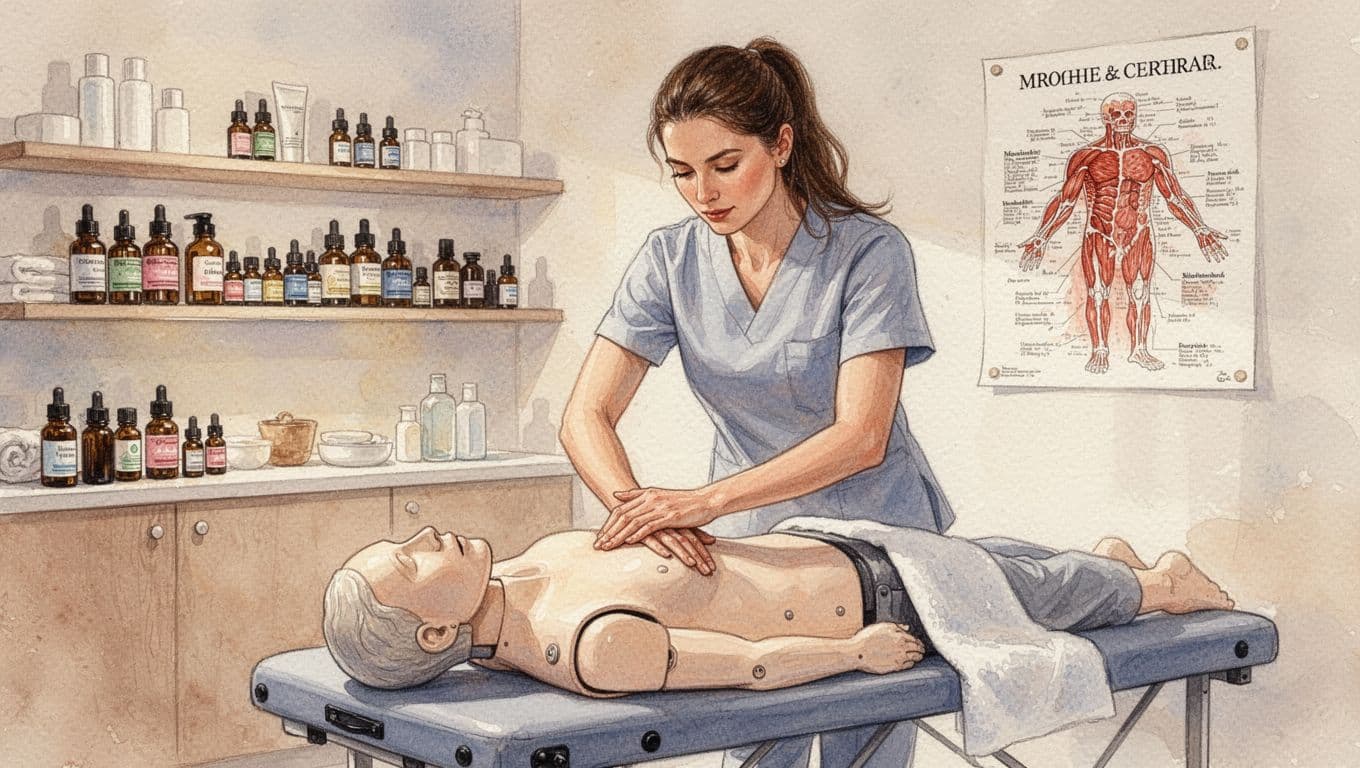
Nairobi has a live market for spa work, and MyJobMag shows that clearly. Current listings include more than 13 massage therapist openings in Kenya, with several roles in Nairobi spas, clinics, and wellness centers. That means demand is real, especially for workers who can start strong and stay professional.
When you search, focus on employers that match your goals. Some roles want simple relaxation skills, while others want therapists who can handle salon work, beauty therapy, or wellness treatments. If you already have training, use that to target the right opening instead of applying everywhere.
Nairobi CBD is a smart place to look because foot traffic stays high. Biashara Street, in particular, sits close to offices, hotels, and business visitors. That kind of location often keeps bookings moving, which can help both pay and tips.
A good job search usually includes these steps:
- Check listings on MyJobMag and similar job boards often.
- Match your CV to the role you want, not just any spa job.
- Mention your massage styles, certification, and client care experience.
- Follow up politely after applying, especially if the spa is active.
- Be ready to interview in person, because many spas want to see your confidence and communication.
If you want a local example, look at how spas in Nairobi CBD present their services and team. Places like massage in Nairobi with booking tips can help you understand the kind of service style clients expect. That makes it easier to show employers you know the market.
You can also learn from booking advice for professional massages in Nairobi and use that insight when you speak to hiring managers. A therapist who understands the client journey is often more attractive to hire.
Future Outlook for 2026 and Beyond
The outlook for massage work in Nairobi looks steady, and it may improve as wellness spending grows. More people now want stress relief, body care, and regular spa visits, not just one-off treats. That shift creates room for more bookings and better earnings.
Current job data backs that up. MyJobMag lists openings across massage therapist and beauty therapist roles, which shows that spas, clinics, and resorts are still hiring. Nairobi remains the strongest market because it has office workers, travelers, and clients who book repeated sessions.

For a Massage Therapist, that means two things. First, steady demand can help you keep your schedule full. Second, higher skill will matter even more, because clients will keep choosing therapists who solve problems and create a calm experience.
The best future-proof therapists will keep learning. They will mix relaxation work with therapeutic skill, improve client care, and stay visible in busy areas like Nairobi CBD. As wellness grows, the therapist who can offer both comfort and results will usually win the better paycheck.
Success in this field often looks simple from the outside. A therapist gets certified, works hard, builds trust, then gains loyal clients who keep returning. In Nairobi, that path can lead to real income, especially in a strong spa setting.
If you want to see how good service looks in practice, consider visiting a busy spa, booking a session, or applying for an open role. Watching skilled therapists work in real time can teach you more than a brochure ever will.
Conclusion
A Massage Therapist in Kenya can earn a modest start or a strong monthly income, depending on skill, location, and client flow. The clearest pattern is simple, pay often sits around 30,000 to 100,000 KES a month, and Nairobi usually offers better room for growth when experience and service quality come together.
That range makes this career worth serious attention for anyone who enjoys hands-on work and steady client care. In a busy spa setting, strong technique, good manners, and reliable service can turn a basic wage into a better living, especially where clients return often and value a therapist they trust. For readers who want to see how service options and pricing connect, choose a massage plan that fits your needs.
If you are looking for top service in Nairobi CBD, Classic Comfort Massage & Spa is a smart place to start. Book a slot in advance, call or WhatsApp the team, and enjoy a calm session that matches the pace of your day.