
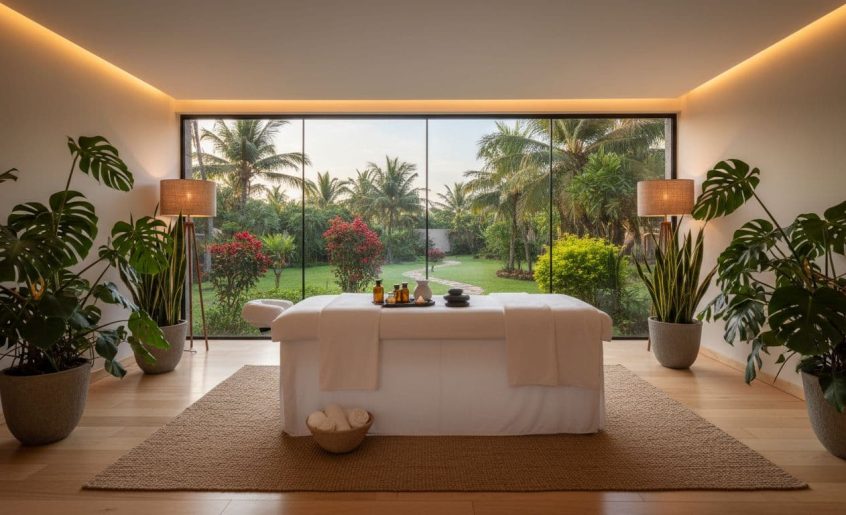
Hot Oil Massage Benefits, Safety Tips, and How It Works
A Hot Oil Massage feels like warm relief the moment the oil touches your skin, easing tight muscles and slowing the pace of a busy day. The heat helps the body relax, while the oil adds a smooth glide that makes the treatment feel calm and deeply comforting.
If you’re thinking about trying one, this guide will help you understand the main benefits, how the massage works, and the safety tips that matter most. It also shows you how to choose the right setting, so you can book a session that feels safe, soothing, and worth your time, whether you want a simple spa visit or a professional massage in Nairobi CBD.
What a Hot Oil Massage Is and How It Works
A hot oil massage uses warmed oil to help the body relax before and during the massage. The heat softens tight areas, while the oil gives the therapist a smooth surface to work with, so each stroke feels fluid and steady.
This kind of massage is simple in idea, but it can feel very luxurious in practice. The warmth settles into the skin, the movements slow the pace of your body, and the whole session often feels calmer than a standard oil massage.
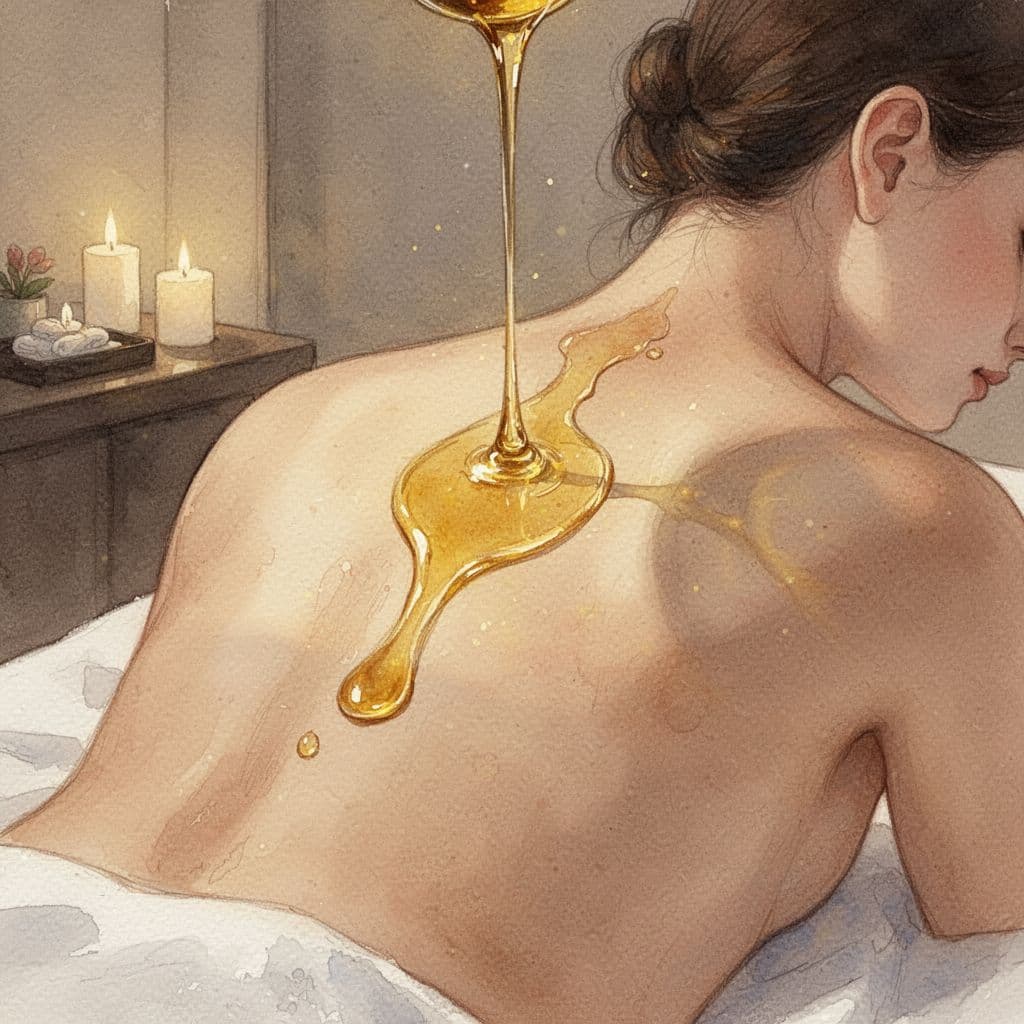
The role of warm oil in easing the body
Warm oil helps the body let go of tension faster. When the skin feels warm, muscles often feel softer too, and that makes the massage more comfortable from the start. The heat can feel like a quiet signal to slow down and relax.
The oil also matters because it reduces friction. Instead of the hands pulling on dry skin, they glide smoothly, which makes the strokes feel gentle and even. That smooth movement is one reason a hot oil massage often feels so soothing.
The best sessions use oil that is warm, not hot. It should feel comforting on the skin, never sharp or burning. A good therapist checks the temperature before starting, because comfort comes first.
Warm oil should feel like a gentle blanket on the skin, not a hot surface.
How it differs from a standard oil massage
A standard oil massage usually uses oil at room temperature. That can still feel nice, but the effect is more neutral. A hot oil massage adds another layer of comfort because the warmth meets the body right away.
The heated version often feels more relaxing for people who carry tension in the shoulders, back, or neck. It can also feel better in cooler weather, when warm touch makes the whole session feel more inviting. For many people, that extra warmth is the main reason they prefer it.
If you want a massage that feels softer and more calming, heated oil is a good choice. If you prefer firmer work on tight spots, you might also compare it with professional deep tissue massage services, which use stronger pressure.
What usually happens during a session
A hot oil massage usually begins in a quiet room with a calm setup. The therapist prepares the oil, warms it to a safe temperature, and helps you settle on the massage bed. That first moment matters, because the atmosphere already starts to slow your breathing.
After that, the oil is applied in smooth strokes across the skin. The therapist checks pressure as they go, so the massage feels comfortable rather than rushed. Gentle, steady movements are common, and they help the oil spread evenly while the body eases into the treatment.
The session usually ends slowly. The therapist may pause to let the warmth sink in, then give you a few moments of rest before you get up. That quiet finish helps the relaxed feeling last a little longer.
The Benefits People Notice Most
The appeal of a Hot Oil Massage is easy to understand. People usually notice the benefits in their body first, then in their mood, and sometimes in their sleep later that night. The experience feels simple, but the comfort can be immediate and very real.
What stands out most is how the warmth and steady touch work together. That mix can help tense areas loosen, take the edge off stress, and leave skin feeling more comfortable. For many people, that is enough to make it a favorite choice after long workdays, workouts, or weeks of built-up strain.
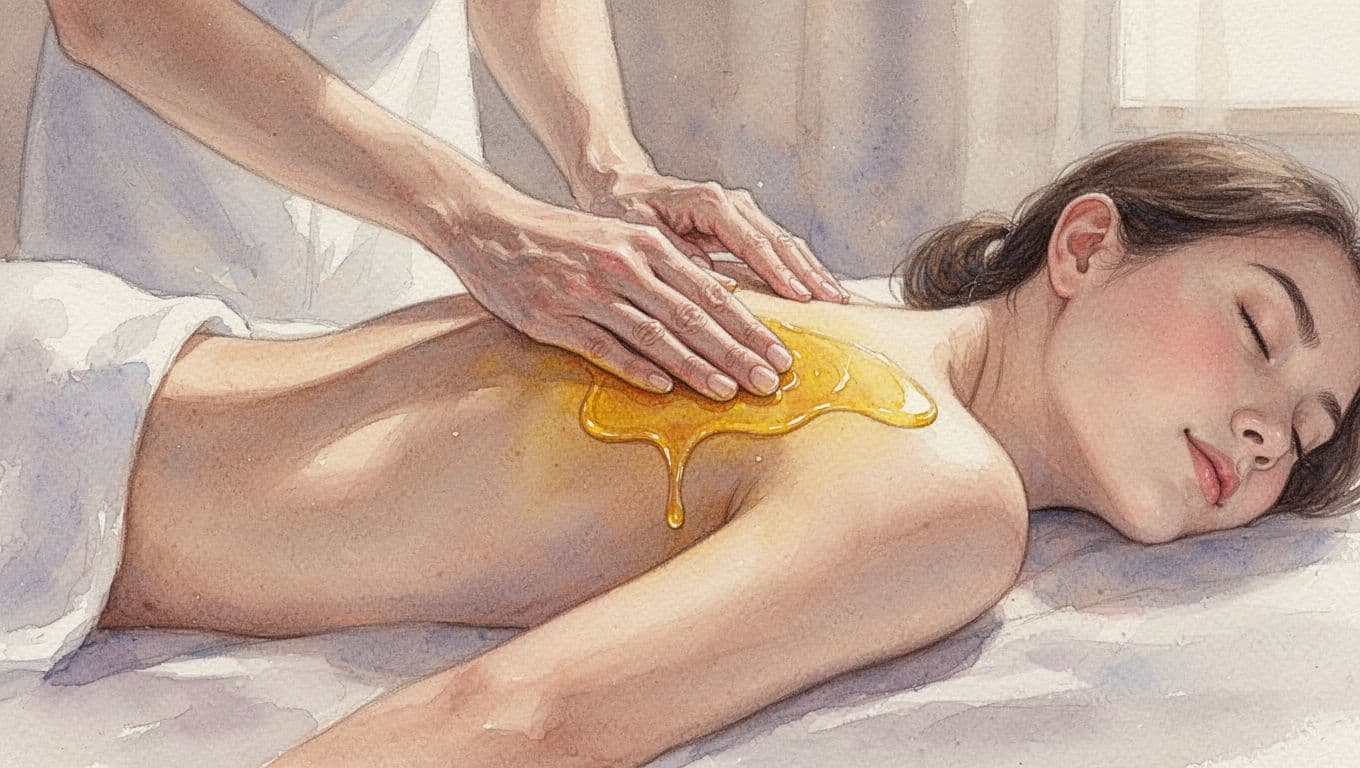
How it helps tired muscles relax
Warmth often makes stiff muscles feel less guarded. When the oil is heated, the body tends to settle faster, and the massage strokes can move more easily across tight spots in the neck, shoulders, back, and legs. That matters if you sit for hours, stand all day, or train hard.
The pressure and heat can also make sore areas feel easier to move. A neck that feels locked up may loosen a little. Heavy legs after a long commute or a workout may feel less tight. The result is not magic, but it often feels like the body gets a chance to unclench.
The best part is how natural it feels, because the relief builds as the muscles warm up and soften.
Why it can calm stress and lift your mood
A Hot Oil Massage often slows more than just the body. Your breathing may become steadier, your mind may quiet down, and the whole room can feel softer around the edges. That calm can be a welcome break when the day has been full of noise and pressure.
The rhythm of the massage matters here. Repeated, gentle strokes can make stress feel less sharp, almost like someone turned down the volume on a busy day. Many people leave feeling lighter, calmer, and more settled in themselves.
For readers who want a broader look at massage wellness, the benefits of massage page gives a helpful overview of how different massage types support relaxation and comfort.
How it may support better sleep and recovery
Once the body relaxes, rest often comes more easily later in the day. That is one reason people choose this treatment after work or after physical activity. A calmer body often feels more ready for sleep, and that can make bedtime smoother.
Recovery also starts with comfort. When tension drops and the mind settles, it becomes easier to ease into a slower pace. That does not guarantee perfect sleep, but it can create the kind of relaxed state that helps the evening feel less restless.
Extra skin comfort from warm oil
Warm oil can leave skin feeling softer right after the massage. It also adds a light layer of moisture, which many people notice right away. The feel is simple, but pleasant, especially if your skin tends to feel dry after bathing or in cooler weather.
This is one of the quieter benefits, yet it still adds to the overall experience. The skin feels smoother, the body feels cared for, and the treatment ends on a comfortable note.
How to Prepare for a Hot Oil Massage
A good Hot Oil Massage starts before the first drop of oil touches your skin. A little planning helps the whole session feel smoother, safer, and more relaxing, whether you’re setting up at home or arriving at a spa.
The goal is simple, get the basics right so comfort doesn’t get interrupted. Choose an oil that suits your skin, set up a calm space, and test the warmth before you begin.
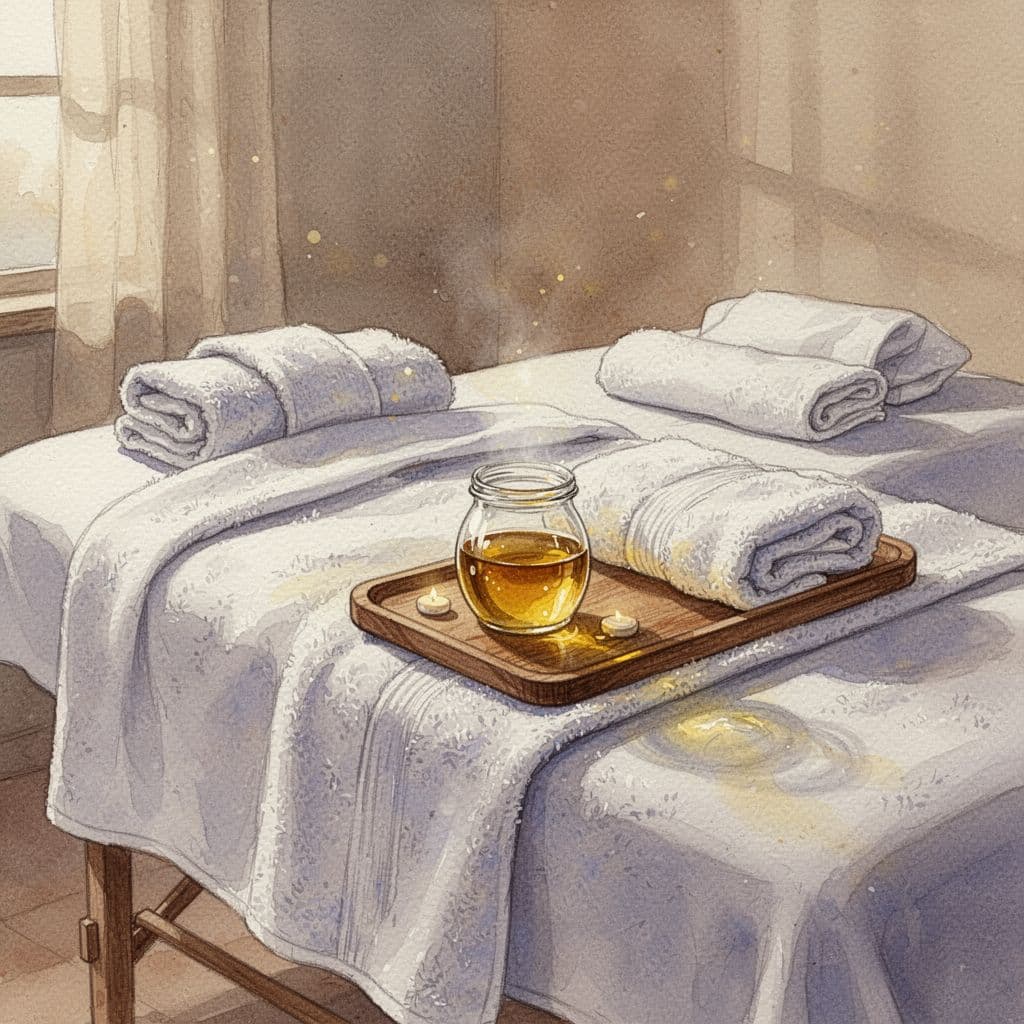
Choosing the right oil for your skin
The best oil is the one your skin accepts easily. Almond oil, coconut oil, jojoba oil, and olive oil are all common choices, and each one feels a little different on the skin. Some are lighter and absorb faster, while others feel richer and stay on the surface longer.
If your skin is sensitive, go slowly and keep allergies in mind. A small patch test on the inner arm can help you spot redness or irritation before the massage starts. That matters even more if you already react to scents, nuts, or heavier oils.
Comfort should guide the choice. The right oil should feel smooth, soothing, and easy to wear on the skin, not sticky or heavy. If you want help picking products, the guide to choosing the right massage oils and lotions is a useful place to start.
Getting the room and tools ready
The room should feel calm before the massage begins. A warm space works best, because cold air can make the body tense again as soon as the oil goes on. Soft lighting, clean towels, and a quiet setting help create that relaxed feeling right away.
Protect the furniture before you start. Place a towel or sheet under the massage area, keep a few extra towels nearby, and clear away anything that could spill or break. A small tray for the oil, tissues, and clean cloths also keeps things neat.
A cozy setup changes the whole mood. When the bed is tidy, the room smells fresh, and the surfaces are clean, the massage feels more restful. That calm background helps the body settle faster.
Testing the oil temperature before it touches skin
The oil should feel warm, never hot. If it feels sharp on your wrist, it will feel worse on the rest of the body. A Hot Oil Massage is meant to comfort the skin, not surprise it.
Always test the temperature first. A simple wrist check works well, because the skin there is sensitive enough to catch heat that could irritate the body. If the oil feels pleasant on your wrist, it’s usually ready to use.
For home use, warm the oil slowly. Place the bottle in warm water for a few minutes, or rub a small amount between your palms before applying it. That gentle approach keeps the oil even and safe, which makes the massage feel much better from the start.
A Simple Step-by-Step Guide to the Massage Itself
A Hot Oil Massage feels best when the pace is calm and steady. The session usually starts gently, builds into focused work on tight spots, then ends with soft strokes that let the body settle again. If you know the flow ahead of time, the whole experience feels less uncertain and more relaxing.
For a beginner, the key is simple: the therapist should never rush, the pressure should stay comfortable, and the warm oil should keep everything smooth. A good session feels like a slow wave moving across the body, one area at a time.
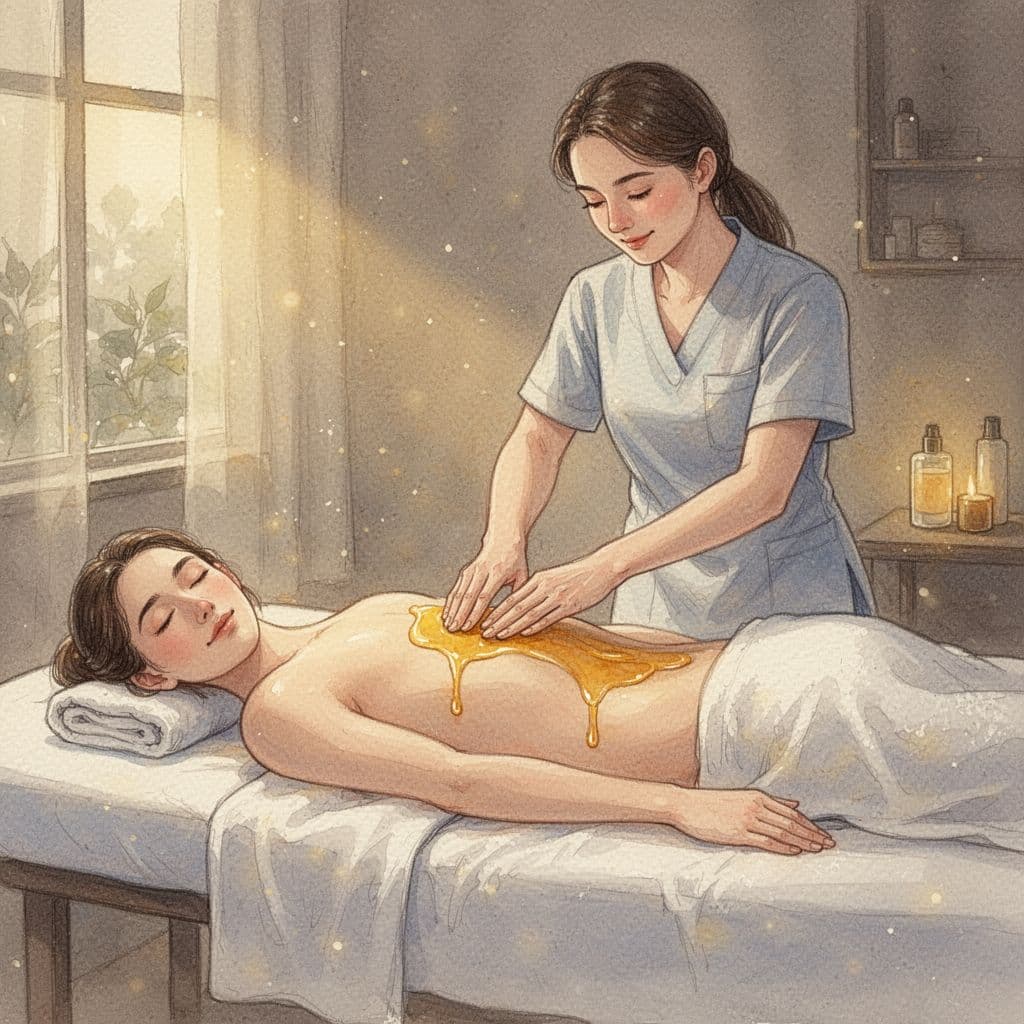
Starting with gentle strokes and light pressure
The first touch is usually soft and long. The therapist spreads the warm oil with smooth strokes, often moving across the back, shoulders, arms, or legs in wide, even motions. This helps the oil glide over the skin and gives the body a chance to settle into the treatment.
These opening strokes do more than warm the skin. They also help the muscles ease out of their guard, almost like opening a clenched hand slowly instead of forcing it open. The pressure stays light at this stage, so the body can adjust without tension.
A calm start matters because it sets the tone for the rest of the massage. If the first few minutes feel soothing, the rest of the session usually follows that same rhythm.
Using hands to work on tight areas
Once the body feels ready, the therapist may spend more time on spots that hold tension. Common movements include circular rubbing, kneading, and longer strokes that move along the muscle line. Each motion helps loosen tight areas without making the body tense up again.
Pressure should always feel comfortable. If a movement hurts, it is too much. You should feel steady contact and clear relief, not sharp pain or a bruised feeling.
For readers who want a broader setting, a session at a massage spa in Nairobi CBD often follows this same gentle flow, with the therapist adjusting the touch to match your comfort level. The best work feels attentive, not forceful, and the hands move with purpose instead of speed.
Ending the session slowly and calmly
A good Hot Oil Massage does not stop abruptly. The final strokes are usually soft and slow, giving the body time to come back to a normal pace. This last part often feels like the room has gone still, with only the warmth of the oil and the calm of the touch left behind.
After the massage, the therapist may step out so you can rest for a moment and get up slowly. If extra oil remains on the skin, a towel can gently remove the excess without stripping away the comfort the session created.
That quiet ending matters. It leaves you with a peaceful finish, relaxed muscles, and the kind of softness that lingers after the room goes quiet.
Safety Matters, Especially with Warm Oil
Warm oil can make a Hot Oil Massage feel smooth and calming, but safety always comes first. The oil should comfort the skin, not challenge it. A good session depends on careful temperature control, clean hands, and paying attention to how the body responds.
That matters at home and in a spa. The same simple rules apply in both places, because skin can react fast when something feels off.
Signs the oil is too hot or not a good match
The first warning sign is simple discomfort. If the oil burns, stings, or feels sharp on contact, stop right away and let it cool. Redness, itching, or a hot, irritated feeling also mean the skin is not happy with the treatment.
Some skin types react badly to certain oils, even when the temperature is fine. Sensitive skin may dislike heavier oils, added scents, or ingredients that sound harmless but cause irritation in practice. A patch test can save you from a bad reaction later.
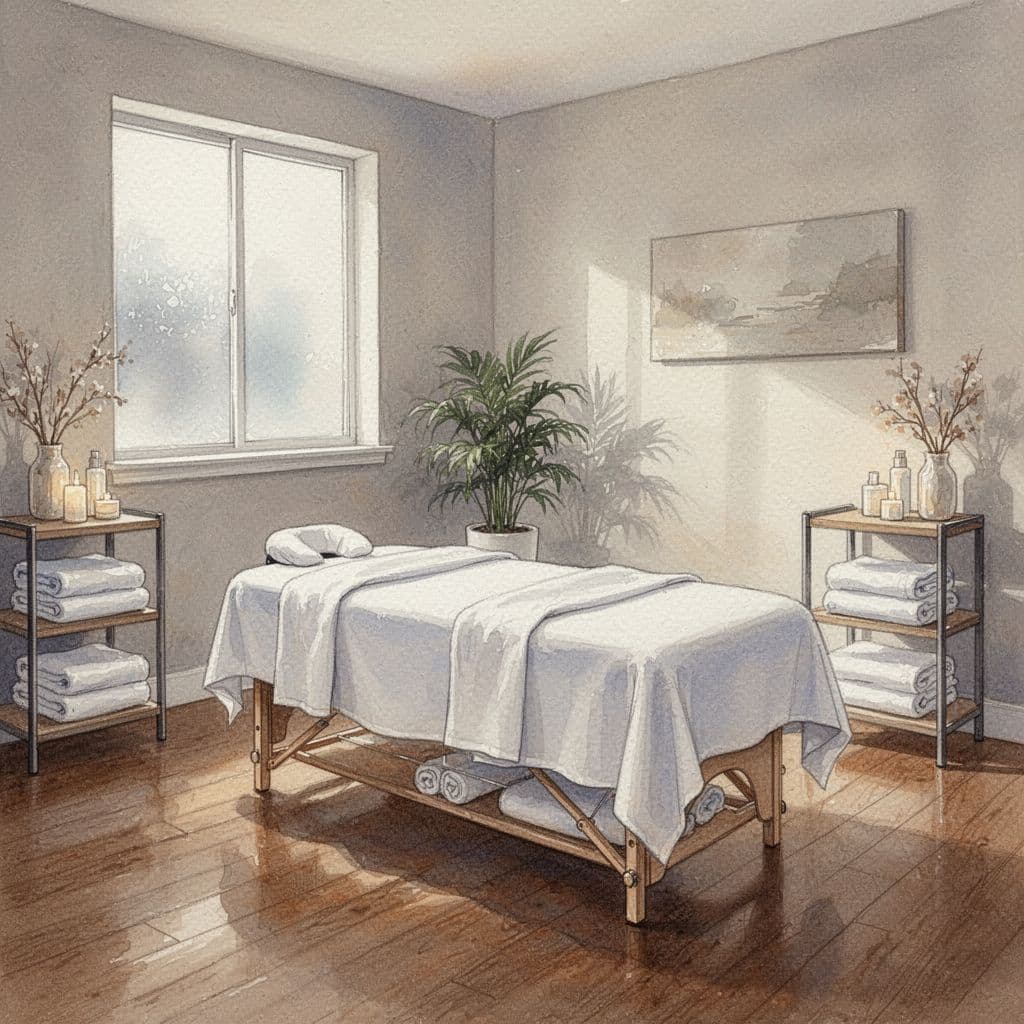
If the skin starts to blush fast or the person says the touch feels wrong, don’t push through it. Warm oil should feel soft and pleasant, almost like a gentle wrap on the skin.
When to avoid massage completely
Some situations call for a full pause. Open wounds, rashes, infections, fever, and serious injury are all reasons to skip the massage until the body heals. In those cases, massage can make the problem worse or irritate the area further.
It also helps to avoid massage over fresh bruises, swollen joints, or painful spots that need medical care. A simple rule works well here, if the skin or body is already under stress, let it rest first.
For a broader guide to staying comfortable and prepared, the massage wellness guide offers useful basics on safe and relaxing sessions. That kind of preparation helps you make better choices before you even lie down.
Why a professional spa adds peace of mind
A professional spa adds structure to the experience. Trained staff know how to warm oil properly, adjust pressure, and notice when a client looks uncomfortable. That extra attention makes the session feel safer and more relaxed.
Clean tools matter too. Fresh towels, tidy surfaces, and well-kept bottles reduce the chance of skin irritation or spills. A proper setup also helps the therapist work with steady hands and fewer distractions.
At a good spa, the room feels calm and organized, the products are handled with care, and the therapist asks the right questions before starting. That kind of setting gives you more room to relax, because the basics are already under control.
A safe massage doesn’t draw attention to itself, it simply lets you settle in and enjoy the warmth without worry.
A thoughtful spa visit can also support better communication. If you want a setting that values comfort and clear care, choosing the right massage therapist helps you understand what to look for before booking.
How to Choose the Right Hot Oil Massage Experience
The best Hot Oil Massage is the one that matches your body, your schedule, and your comfort level. Some people want a private, easy setup at home. Others want trained hands, a calmer space, and a fuller spa experience that feels polished from start to finish.

At-home comfort versus spa-level care
At-home massage feels personal and convenient. You control the room, the music, the timing, and the pace, which makes it easy to fit into a quiet evening. It can feel warm and intimate, especially if you already have a trusted partner or therapist who comes to you.
A spa brings a different kind of care. The setup is usually better, the room is ready, and the therapist knows how to shape the session from the first touch to the last stroke. You also get fewer distractions, which helps the massage feel more complete and easier to enjoy.
If you want something simple and familiar, home may suit you best. If you want deeper relaxation without having to set anything up, a spa usually wins.
What to look for in a good therapist or spa
A good experience starts with trust and comfort. Clean towels, neat surfaces, fresh oil, and a calm room all matter because they help your body relax faster. Just as important, the therapist should listen, explain what to expect, and check in about pressure before going further.
Gentle hands make a big difference too. You want someone who can read your body, ease into the work, and adjust without making the session feel rushed. A quiet, respectful space often tells you a lot before the massage even begins.
If you are comparing treatment styles, a hot stone therapy session can be another option when you want warmth with a different feel.
Questions to ask before you book
A few simple questions can save you from a disappointing session. Ask about the oil they use, the pressure style, how long the session lasts, and what safety steps they follow.
You can also ask whether they handle sensitive skin, allergies, or temperature checks. For first-time clients, that kind of clarity makes the booking feel easier and the session feel safer.
A good booking conversation should leave you feeling informed, not unsure. If the answers sound clear and caring, you are probably in the right place.
Conclusion
A Hot Oil Massage brings warmth, ease, and steady comfort together in one simple treatment. It works best when the oil is gentle, the touch is calm, and the body gets time to soften at its own pace.
That is why it stays such a good choice for anyone who wants relief without harsh pressure. When done well, it leaves the body looser, the mind quieter, and the whole day a little lighter.
If you want a massage that feels inviting and body-friendly, this is one of the clearest choices. It gives you a calm pause, and sometimes that is exactly what the body needs.